“Dear brothers and sisters,
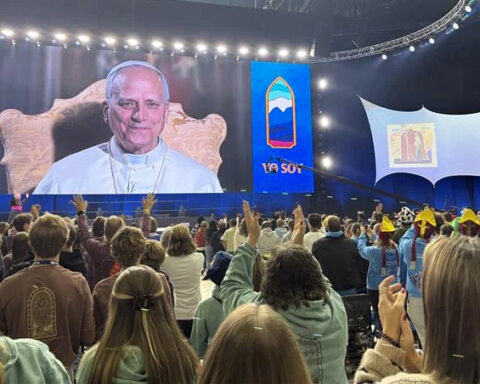
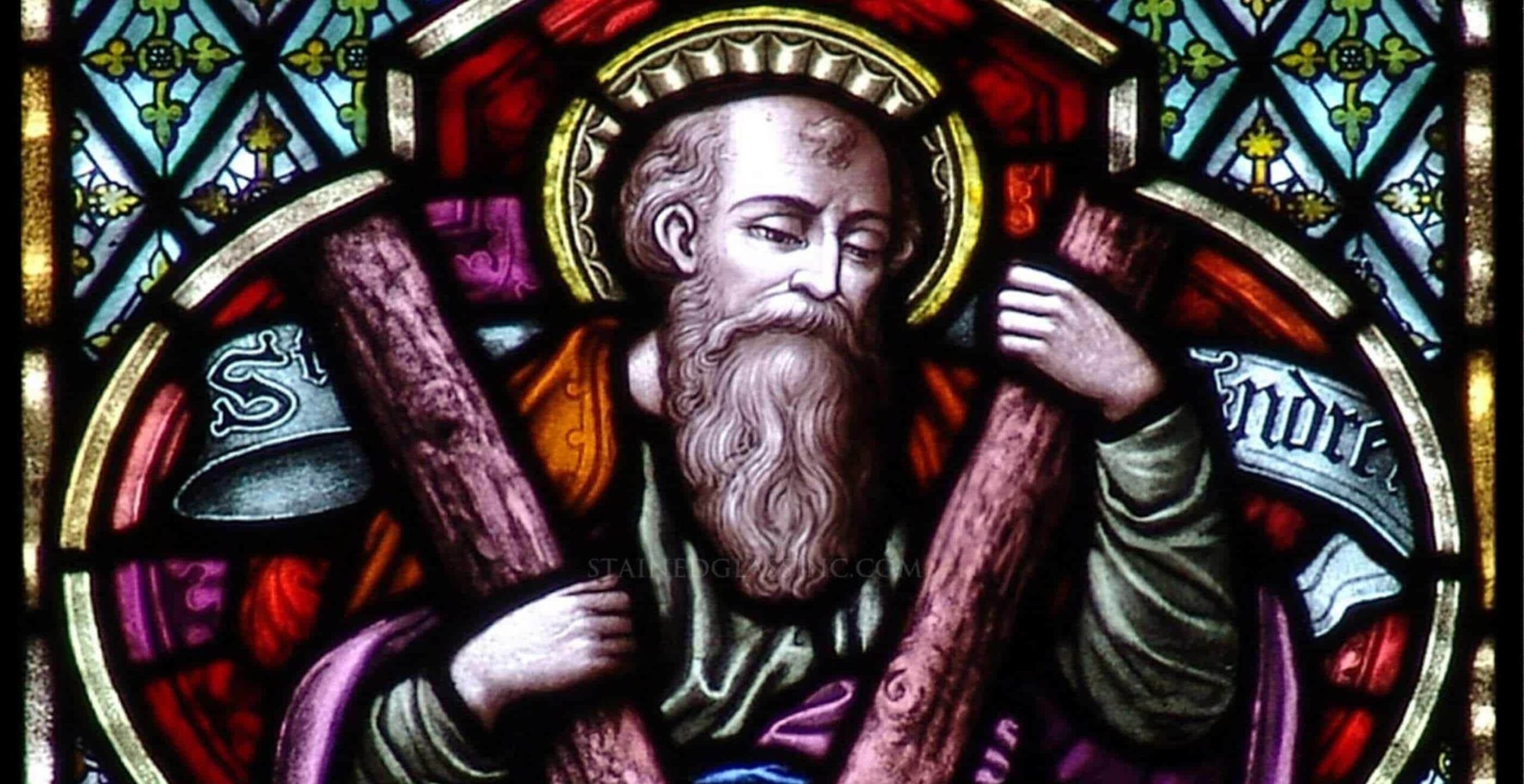
We celebrate this Mass on the eve of the day on which the Church commemorates Saint Andrew, Apostle and Patron of this land. At the same time, we begin Advent, the season for preparing ourselves to experience anew at Christmas the mystery of Jesus, the Son of God, “begotten, not made, consubstantial with the Father” (Nicene-Constantinopolitan Creed), as solemnly declared 1700 years ago by the Fathers gathered at the Council of Nicaea…”
— Homily of Pope Leo XIV at Mass for the First Sunday of Advent, “Volkswagen Arena” (Istanbul), Saturday, Nov. 29, 2025
Before his departure (on Nov. 27, 2025) for the first International Apostolic Journey of his Pontificate, Pope Leo XIV published an “Apostolic Letter”, IN UNITATE FIDEI (In the Unity of Faith) ON THE 1700th ANNIVERSARY OF THE COUNCIL OF NICAEA. The Apostolic Letter was published “from the Vatican” on Nov. 23, 2025, Solemnity of Our Lord Jesus Christ, King of the Universe. I hope that some readers may already have had the opportunity to read the brief, but (in my opinion) “heartfelt” and compelling letter, in which Pope Leo encourages “… the whole Church to renew her enthusiasm for the profession of faith…” In case some readers may not be able to read the whole letter, and with the hope that, after reading the first two paragraphs, you might be inspired to read the full text, I quote the first two paragraphs here:
- In the unity of faith, proclaimed since the beginning of the Church, Christians have been called to walk in harmony, guarding and transmitting the gift they have received with love and joy. This is expressed in the words of the Creed, “I believe in one Lord Jesus Christ, the Only Begotten Son of God… for our salvation he came down from heaven,” that were formulated 1700 years ago by the Council of Nicaea, the first ecumenical gathering in the history of Christianity.
As I prepare for my Apostolic Journey to Türkiye, I would like this Letter to encourage the whole Church to renew her enthusiasm for the profession of faith. For centuries, this enduring confession of faith has been the common heritage of Christians, and it deserves to be professed and understood in ever new and relevant ways. To this end, a significant document by the International Theological Commission was approved: Jesus Christ, Son of God, Saviour. 1700th Anniversary of the Ecumenical Council of Nicaea. I mention this document because it provides valuable insights for studying the importance and relevance of the Council of Nicaea, not only in its theological and ecclesial dimensions, but also in its cultural and social aspects.
Apostolic letter IN UNITATE FIDEI
I hope you have had or will have the opportunity to follow at least parts of this historic journey for Pope Leo, which can certainly give us Hope as we near the end of this Jubilee Year of Hope and continue our journey as “pilgrims of Hope.” I was particularly struck by the message and call for unity that Pope Leo offered in his homily (quoted above) at the “Volkswagen Arena” in Istanbul on the first Sunday of Advent. In addition to a link (above) to the full text of the (brief) homily, there is an article from Catholic News Agency that describes the diverse gathering at the Mass and reflects on the message of the homily, stating,
The pope highlighted the four Catholic traditions present in Turkey—Latin, Armenian, Chaldean, and Syriac—calling them “a catholicity that unites.” Unity, he said, “needs care, attention, and maintenance.” Quoting Christ’s prayer “that they may all be one,” he appealed again for Christian unity and encouraged believers to be peacemakers.
The diversity of Turkey’s Catholic community was visible in the liturgy. A choir of about 200 members represented the country’s four rites. Scripture readings and prayer intentions were offered in Turkish, Aramaic, Syriac, English, Armenian, and Arabic, reflecting the multilingual and multicultural character of local Catholics.
As I write this column on Monday, Dec. 1, Pope Leo has just arrived in Lebanon and offered a message to authorities and leaders in Lebanon, reminding them, “Blessed are the Peacemakers.” I was happy to learn that, during his visit to Lebanon, Pope Leo would be visiting the tomb of St. Charbel Makhlouf, a, “…Lebanese Maronite monk and hermit (who) lived from 1828 to 1898 and led a life of extreme asceticism and devotion to God. Today, he is known for numerous miraculous healings attributed to his intercession, earning him the veneration of not only Christians and Catholics but also Muslims and people of other faiths. More information about this visit here and here.
As we begin this new Liturgical Year and the Season of Advent, Pope Leo’s Apostolic Journey and Letter, commemorating the 1700th anniversary of the formulation of the “Nicene-Constantinopolitan Creed” is more than a “look back” to something that took place many centuries ago, but it is a reminder that our Faith is a “living Faith” and that the words we profess in the Creed every Sunday are words that we are called to “live” and put into practice. We can see Pope Leo XIV, as the Successor of Peter, teaching us by his words and by his example.
We are aware of how great a need there is at this time in history for Christians and all people of goodwill to be united and to be “peacemakers.” We pray that, by means of our common prayer and actions as Catholics and Christians living our Faith, we might contribute to bringing an end to the wars, violence, and division that are causing so much death and suffering in many parts of the world. Let us pray that many will respond to Pope Leo’s invitation and prayer, echoing the prayer of Jesus, “…that they (all) may be one…” Jn. 17:21-22
As the Holy Father makes this pilgrimage of unity at the beginning of Advent, we pray that we may follow in his footsteps spiritually. Together, as we pray for Pope Leo XIV, let us seek to build up mutual peace, respect, and understanding in our families, parishes, and communities with hopeful joy to “run forth” to meet Christ “so that, gathered at his right hand” we “may be worthy to possess the heavenly kingdom” (The Roman Missal, Collect, First Sunday of Advent).